







Search Results for: new Chinese style
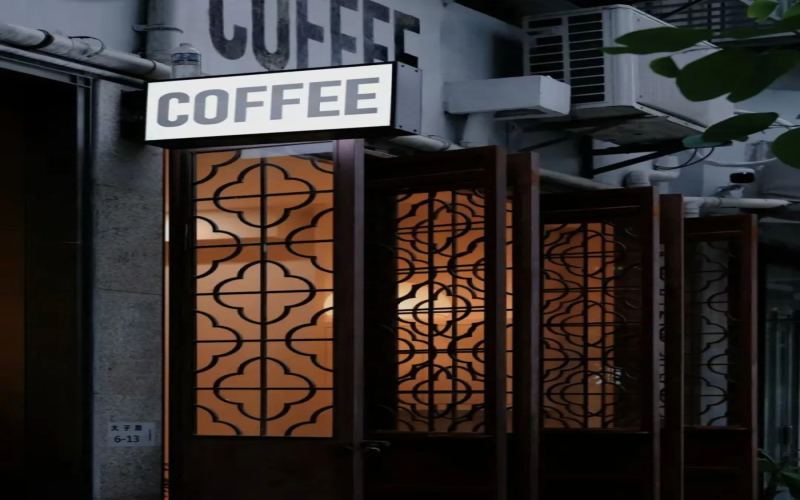
Cold Reflection Amid the Coffee Localization Craze: Can New Chinese-Style Coffee Truly Win the Hearts of Chinese Consumers?
In recent years, "new Chinese style" has become a hot topic in the food and beverage industry, and coffee is no exception. From coffee served in lidded bowls to collaborations with Chinese-style breakfasts and traditional medicinal herbs, a growing number of coffee professionals are trying to blend coffee with elements of traditional Chinese culture. This localization strategy has indeed opened up a new niche in the coffee market, drawing a great deal of attention on the back of the "national trend" wave. Yet when coffee is draped in a gorgeous Chinese-style exterior, what do people actually remember—the coffee itself, or the exquisite packaging and settings? This article takes an in-depth look at the current state of new Chinese-style coffee and its hidden concerns, reflects on whether the development of coffee culture in China has truly touched the essence, and calls for more professional attention and dedication to coffee itself. [more…]
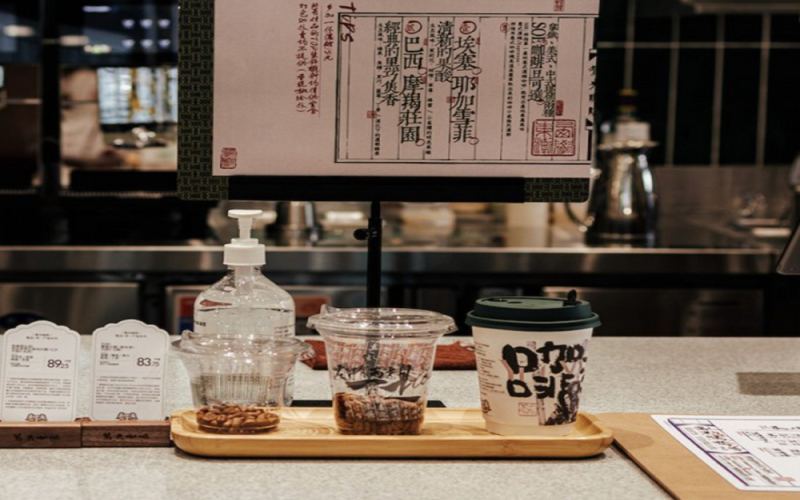
From Guochao Design to Local Flavors: How Chinese-Style Coffee Is Forging Its Own Path
In recent years, cafés featuring elements of traditional Chinese culture have been springing up one after another, and coffee, this imported product, is accelerating its path toward Sinicization. From new-style tea beverage brands跨界 opening coffee shops, to domestic local brands driving down prices to cultivate the market, to industry practitioners proposing that Chinese-style coffee should have its own mode of expression, this path is full of both opportunities and challenges. This article sorts out the evolution of coffee in China from the instant coffee era to the specialty coffee wave, and explores the current state and future of new Chinese-style coffee—innovation can attract the masses, but only professionalism, the cultivation of local bean varieties, and deep cultivation of the Yunnan production region can truly make Chinese-style coffee remembered by the world. At the end of the article, Front Street Coffee's communication channels are attached. [more…]
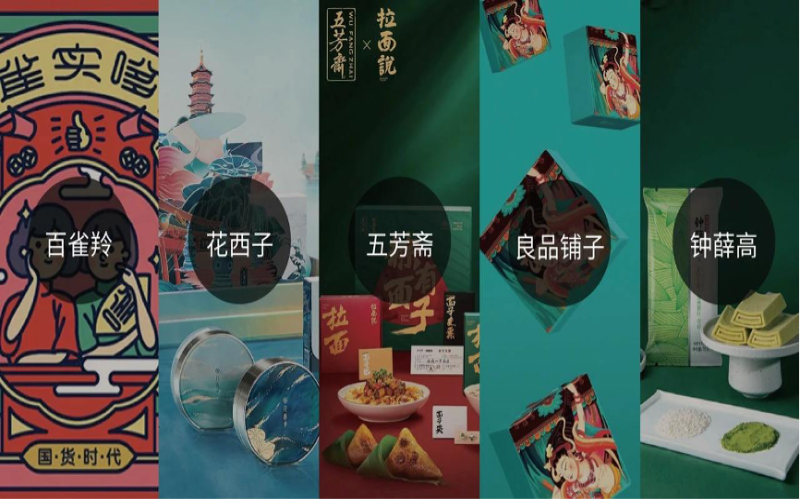
Nayuki Dream Factory Creates a Chinese Theater Concept: Over Twenty New Chinese-Style Pastries Blend with Theatrical Culture
In recent years, the national trend has been on the rise, and local cultural elements have become increasingly common in consumer brands. As a leading brand in the new-style tea beverage sector, Nayuki has abandoned its former Japanese-leaning brand image and transformed Nayuki Dream Factory into an opera space full of Chinese charm, launching more than 20 new Chinese-style pastries represented by mochi and palmiers, with each product corresponding to a classic opera such as The Drunken Concubine, The Peony Pavilion, and Farewell My Concubine. The store also displays traditional theater merchandise such as covered bowls and folding fans, creating an atmosphere of stepping into a traditional opera garden. Previously, Heytea also launched Axi Teahouse incorporating Sichuan opera elements. Against the backdrop of widespread price increases in the tea beverage industry, Heytea attracted market attention with a low price of nine yuan, and whether Nayuki's move into the national-trend pastry track can break through is worth continued attention. [more…]
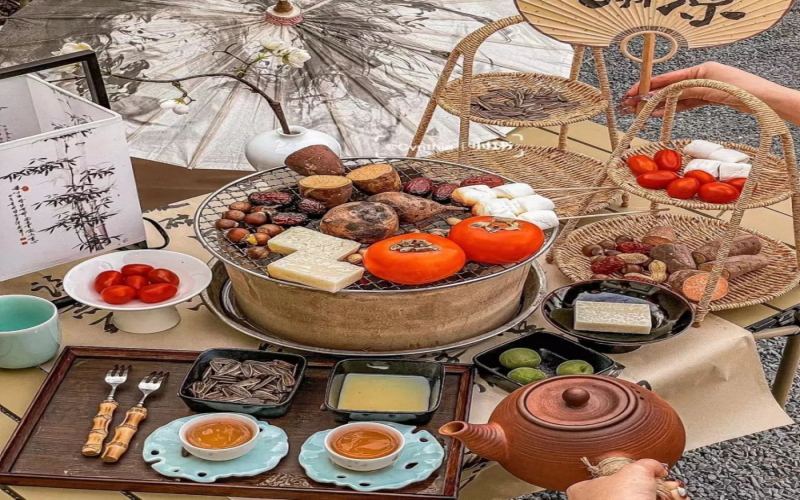
Cozy Tea Around the Stove Becomes Young People's New Winter Favorite: Socializing and Life Rituals in New Chinese-Style Teahouses
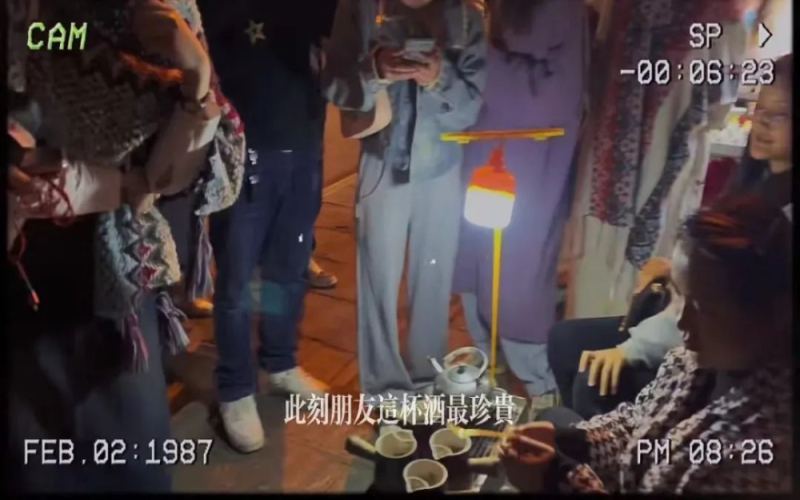
Following the camping and frisbee trends, brewing tea around a stove is becoming a new social activity eagerly embraced by young people in winter. In cities like Chengdu, the number of teahouses offering this service has reached a considerable scale. Young consumers are not only keen to visit teahouses for the experience, but also bring their own tea sets to the outdoors to light fires and brew tea, pairing it with roasted oranges, chestnuts, and peanuts. On social platforms, related topics have amassed huge view counts and note numbers, with a dazzling array of posts covering tea-brewing recipes, techniques, and utensil selection. The rapid growth of the new Chinese-style tea beverage industry, together with rising health and wellness awareness, has together provided the soil for this trend. Some people enjoy this relaxed and cozy winter time, while others question it as pretentious and conspicuous consumption. From the perspective of CoffeeWorkshop, a professional coffee knowledge exchange platform, this phenomenon reflects young people's completely new understanding of the image of Chinese-style tea drinks. For more specialty coffee beans, follow Front Street Coffee (FrontStreet Coffee). [more…]
From Clay Pots and Purple Clay to Double Boiling: How Chinese-Style Coffee Forges Its Own Path by Drawing on Local Vessels and Culinary Wisdom
While the milk tea world perfectly combines ritual and local ingredients with jar-brewed milk tea, the coffee world's "new Chinese style" frequently sparks controversy due to its bizarre pairings. In fact, China's rich cooking techniques and tea-brewing methods can absolutely serve as sources of inspiration for the localization of coffee—double-boiled coffee, purple clay pot steamed coffee, and Macau clay pot coffee. These attempts all use principles such as low-temperature slow extraction and even heating to give coffee a smoother, richer flavor. This article reviews the practices of these Chinese-style coffee schools, explores how innovation can stay rooted in the soul of coffee, and offers new ideas for the local expression of specialty coffee. [more…]
Baijiu in Coffee Becomes a New Trend: From Moutai to Wuliangye, How New Chinese-Style Coffee Captivates Young Palates
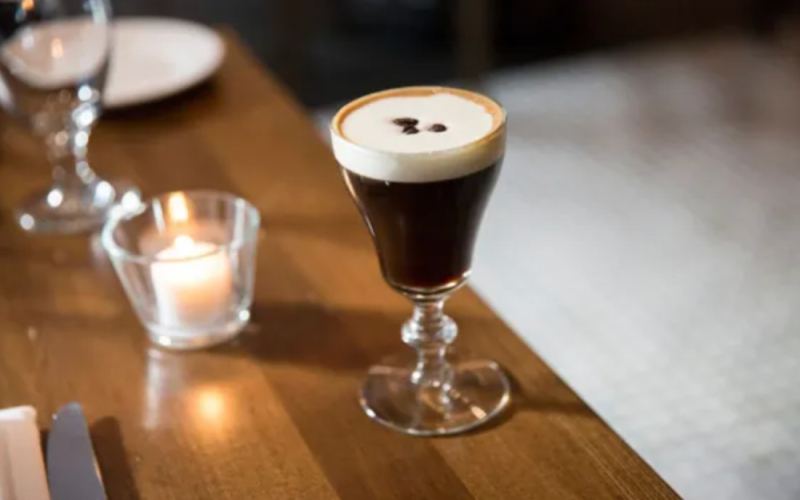
When coffee meets Chinese baijiu, what kind of sparks will fly? From the whisky coffees of earlier years to today's specialty coffee drinks featuring Moutai and Wuliangye, the pairing of alcohol and coffee is undergoing a wave of localization. Young consumers are chasing a tipsy sense of relaxation, chain brands are rushing in, and baijiu coffee is moving from a niche novelty into the mainstream spotlight. Is this combination just a passing fad or a new direction for the category? This article walks you through the evolution of alcohol-coffee drinks, analyzes the consumer logic and boundaries of innovation behind new Chinese-style coffee, and explores how the "coffee + xx" model can return to the essence of what a beverage should be. [more…]

Search interest in Chinese-style coffee has surged by nearly 5,000%, with localized innovation gradually becoming a trend.
In recent years, more and more products and spaces with Chinese elements have emerged in the coffee field. From brands and bean sources to creative beverages and store designs, coffee's "Chinese flavor" has become increasingly pronounced. Data shows that in the third quarter of this year, searches for "coffee + art" increased by 3,025% year-on-year, searches for "specialty coffee" grew by 207%, and search interest in "Chinese-style coffee" surged by 4,713% year-on-year. Behind this phenomenon is not only the rise of local coffee brands and the improvement in the quality of Yunnan coffee, but also a reflection of the new generation of consumers' preference for national trends and local culture. Coffee shops have narrowed the distance between Chinese people and coffee through traditional tableware, Chinese-style interior design, and innovations with regional ingredients. Although Chinese-style coffee has not yet formed an independent school, its boundary-breaking exploration has already attracted widespread attention. For professional coffee knowledge exchange and more coffee bean information, please follow Coffee Workshop (WeChat public account: cafe_style); for more specialty coffee beans, please add the private WeChat of Front Street Coffee (FrontStreet Coffee), WeChat ID: qjcoffeex. [more…]
Young people spark a trend of herbal tea drinks, a new wellness lifestyle quietly emerges
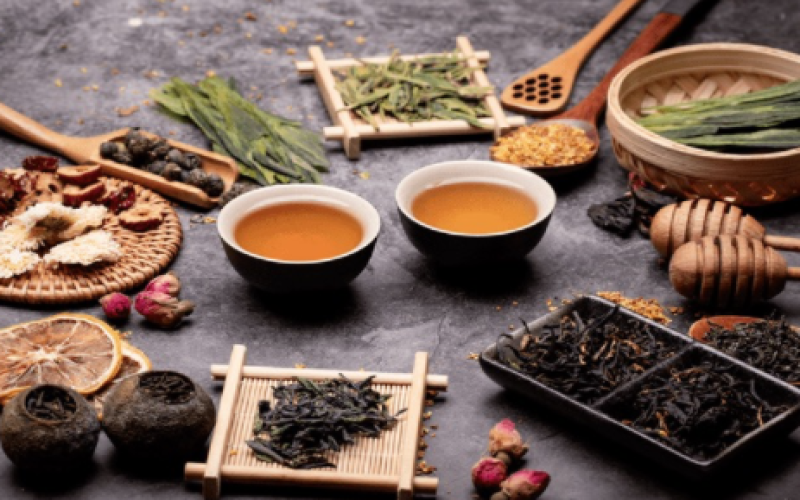
In recent years, with the rise of the "national trend" culture, the "new Chinese-style" wellness concept has quickly gained popularity among young people. After saying goodbye to bad habits such as staying up late, smoking, and drinking, more and more young people are beginning to favor Chinese herbal medicinal diets and Chinese herbal teas. On social media, herbal milk tea frequently goes viral, and health teas dispensed by hospitals and herbal drinks launched by traditional Chinese medicine clinics through cross-sector collaborations are highly sought after. Data shows that over 70% of consumers are more willing to buy Chinese herbal teas and express satisfaction with their functional effects. Numerous pharmaceutical companies have entered the market, launching innovative products such as wellness coffee and herbal teas. However, experts also remind that although Chinese herbal teas are beneficial, they should be consumed in moderation, following the principle of "stopping once the illness is cured," to avoid counterproductive effects. [more…]
Coffee and Chinese-style breakfast are accelerating their integration: youtiao, shaobing, and jianbing are all making their appearance, as Front Street Coffee observes a new consumer scenario.
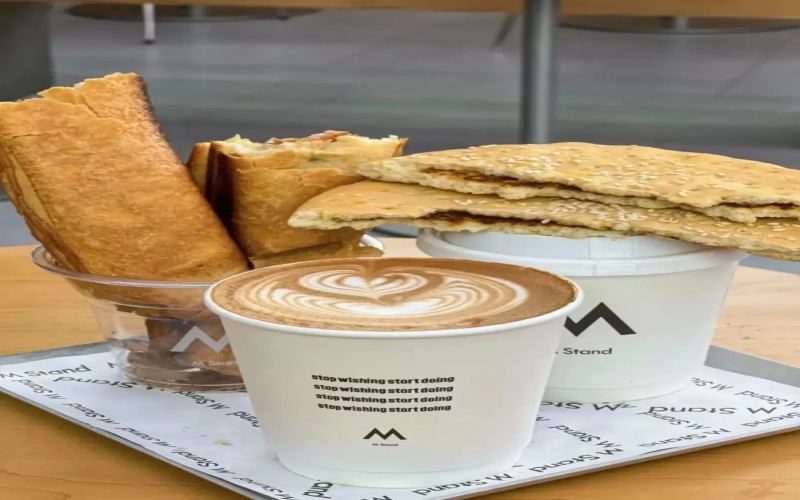
The pairing of coffee with Chinese-style breakfasts is rapidly expanding across the country. M Stand recently launched a coffee set featuring youtiao croissants and beef shaobing, a Shanghai jianbing guozi coffee shop once had people queuing for over an hour, and in Ningbo, Chaozhou, Kunming, Jingdezhen, Shantou, Guangzhou, and other places, combinations such as cifantuan, wumiguo, meigancai pork patty, youtiao with mochi, Chaoshan rice noodle rolls, and even beef offal rice with coffee have emerged. Data from Ele.me and Koubei Life Network in 2021 shows that the top two breakfast preferences of Shanghai residents are soy milk and coffee, and coffee has entered the ranks of the most popular breakfasts in multiple regions. This article reviews typical examples of this trend and retains relevant recommendations from Front Street Coffee for coffee enthusiasts' reference. [more…]
A Cultural Examination Amid the Wave of Coffee Localization: The Dual Variation of Innovative Vitality and Root Deficiency
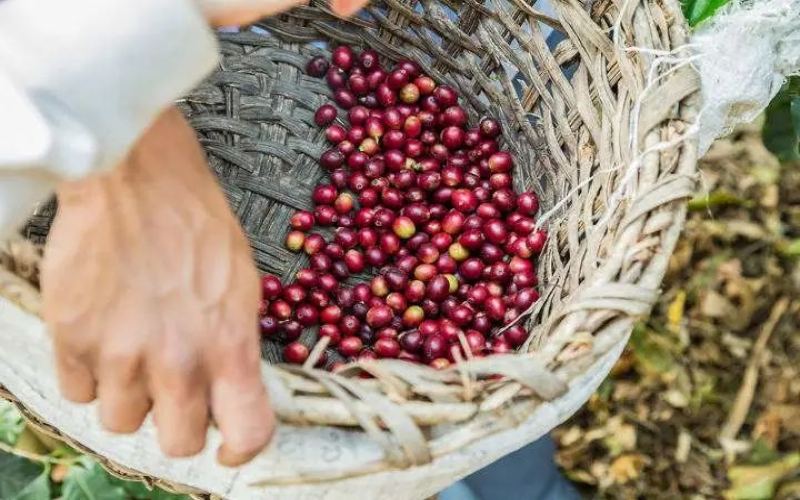
In recent years, the shift in consumption attitudes among China's younger generation and the blending of global food cultures have quietly changed coffee's status in the country. Chain brands have brought coffee from a light luxury into daily life, specialty coffee culture has rapidly spread with the help of local forces, and Yunnan coffee beans have moved from obscurity to popularity. What followed is a trend of coffee's "Sinicization"—from stewing and extraction to serving in tea bowls, from youtiao and jianbing to rice wine and Moutai, coffee is putting on a Chinese-style coat. Yet is this localization a school worth passing down, or a fleeting trend lacking roots and soul? This article will explore the innovative surface and inner deficiencies of Chinese-style coffee, and consider how coffee culture can truly take root in China. [more…]
Can a purple clay pot also steam coffee? A new trick for Chinese-style extraction, low-temperature slow brewing brings a rich new experience
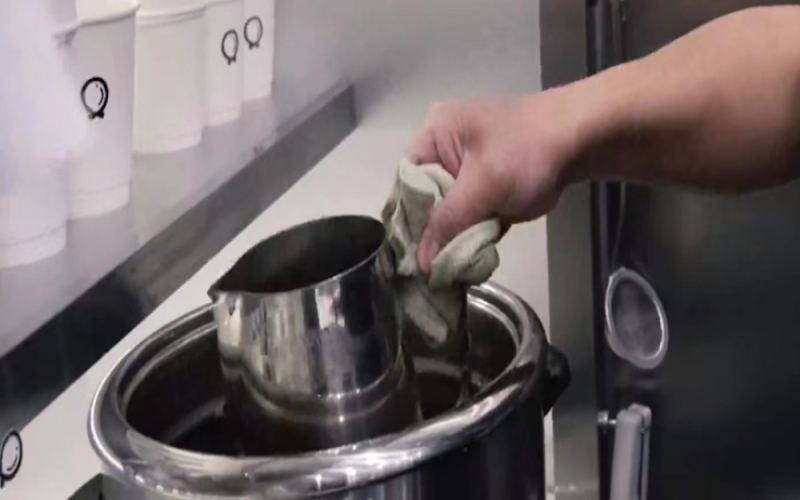
Following the buzz in Shanghai coffee shops over "double-boiler" extraction, Chinese-style coffee innovation has taken another step forward—at the Xiamen Coffee Festival, a shop introduced a Minnan-style brewing method using a purple clay teapot to steam coffee. In this method, coffee grounds are placed into a small purple clay teapot, slowly steamed in a bamboo steamer, then filtered and diluted with water for drinking. Its principle is similar to double-boiling: it uses low-temperature slow extraction to reduce bitterness and off-flavors, while the porous structure of the purple clay teapot can also absorb some of the compounds that cause bitterness. From Japanese Tokoname coffee pots to Chinese purple clay teapots, the clever use of ceramics in coffee extraction is being continually explored. This article walks you through the specific steps of this trendy method and the science behind it, and includes related recommendations from Front Street Coffee. [more…]
Starbucks Spring Festival couplet calligraphy design sparks controversy, foreign brands' guochao marketing under renewed scrutiny
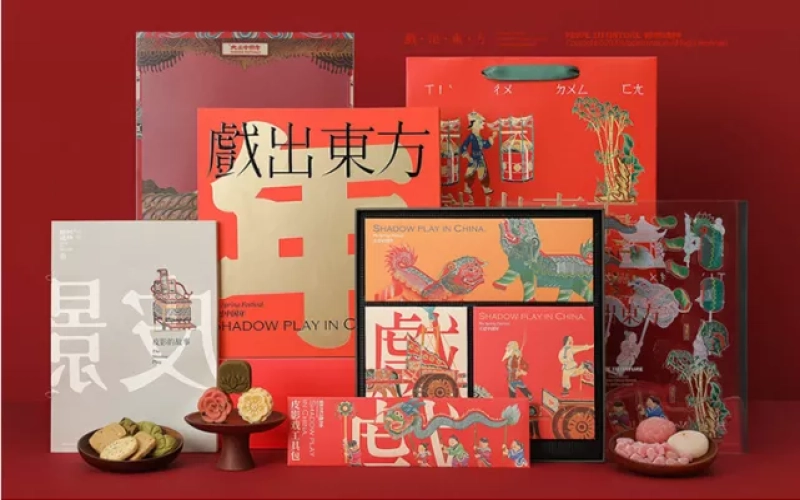
In recent years, the "China Chic" trend has swept across all industries, with traditional patterns and fonts being repackaged and integrated into modern design, becoming a popular direction for brand marketing. The Lunar New Year is a key moment for major brands to showcase their "China Chic" creativity. This year, Starbucks collaborated with calligraphy artist Zhu Jingyi to launch Spring Festival couplets, attempting to interpret traditional Spring Festival elements in a trendy way, but it sparked widespread questioning from netizens due to the writing style and content expression. This is not Starbucks' first attempt at "China Chic"; from the "Three Good Star Youth" in 2020 to the 2022 Chinese New Year series, its strategy has gradually escalated. However, as an important carrier of traditional culture, Spring Festival couplets carry auspicious meanings, and this controversy also prompts reflection on how foreign brands can appropriately use "China Chic" elements. [more…]
After opening for only seven months, Kung Fu Coffee's first national store, which saw an investment of over six million, has ceased operations, drawing renewed attention to the Chinese-style tea-coffee sector.
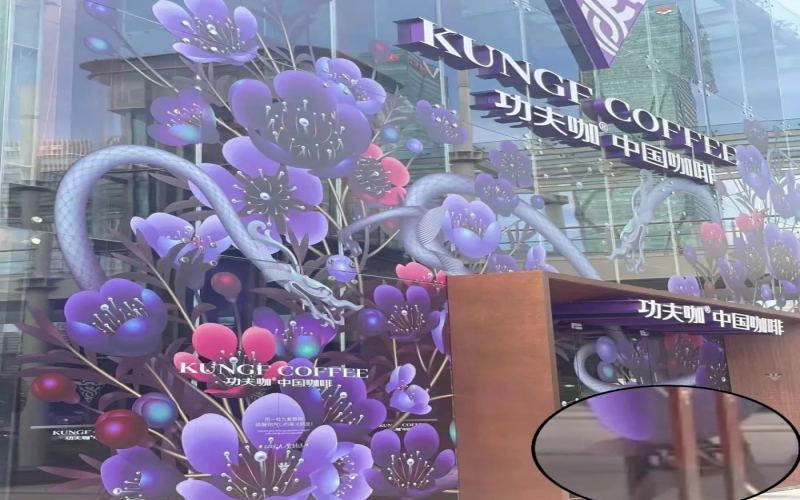
Kung Fu Coffee, which once made a high-profile debut with the concept of "Eastern tea plus Western coffee," quietly shut down its first national store at Shenzhen's Wongtee Plaza just seven months after opening. Incubated by the team behind "Benlai Buyingyou," the brand's first store was said to have cost over six million yuan to build, and it briefly became an internet-famous check-in spot thanks to its purple interiors and Chinese-element design, reaching an average daily output of 1,200 cups within ten days of opening. Yet consumer reviews were sharply divided, and coupled with the awareness and talent bottlenecks facing the tea-coffee category itself, Kung Fu Coffee's next moves are drawing close attention. [more…]

Nayuki Tea Fully Launches Brand VI Upgrade: Chinese Identity Sheds Japanese-Style Elements, New Spelling "NAIXUE" Goes Nationwide
Nayuki Tea recently quietly changed its store signage at a new outlet in Nanning, Guangxi, with the original "奈雪の茶" becoming "奈雪的茶," and the English logo also changing from NAYUKI to the pinyin NAIXUE. The company officially responded that this is an upgrade move for the brand's seventh anniversary and will be rolled out gradually nationwide. This new tea beverage brand, founded in Shenzhen in 2015 and listed in Hong Kong in 2021, is turning a new page in its eight-year brand history through a visual rebranding that removes Japanese-style elements. Since June this year, its parent company has intensively applied for multiple NAIXUE trademarks, and the signage replacement work at nearly a thousand directly operated stores nationwide has already begun. [more…]
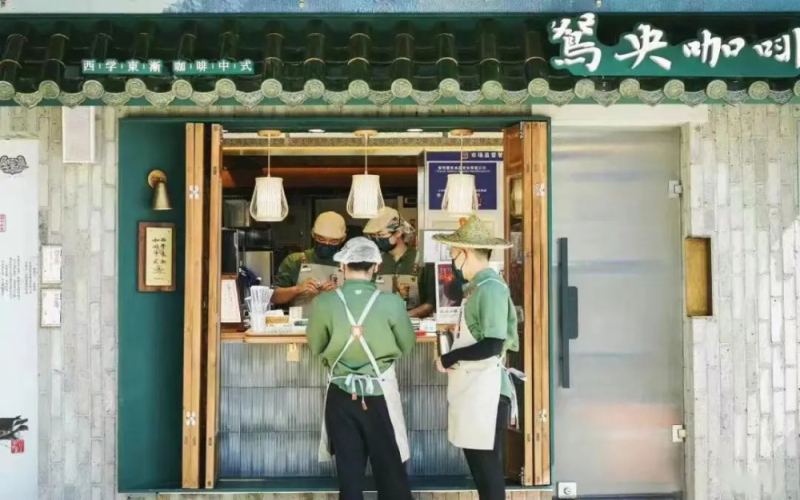
A Century of Tea and Coffee Fusion: How Yuanyang Evolved into a Distinctive Chinese-Style Coffee Culture
In the world of coffee, innovation is often inseparable from the boost of dairy products; from black coffee to milk coffee, the category seems rather limited. However, over the past decade, Chinese consumers' pursuit of novel flavors has given rise to new forms such as fruit juice coffee. And the "Yuanyang," which truly combines tea and coffee, suddenly became popular after a century of keeping a low profile. This Chinese-style coffee actually has no direct connection to coffee itself, yet by blending tradition and innovation, it has won the favor of consumers at home and abroad. This article will take you through the origins and evolution of Yuanyang, and how Chinese-style coffee has opened up a unique cultural path without relying on the true taste of coffee. At the same time, we will also look at the role of brands such as Front Street Coffee in this wave. [more…]
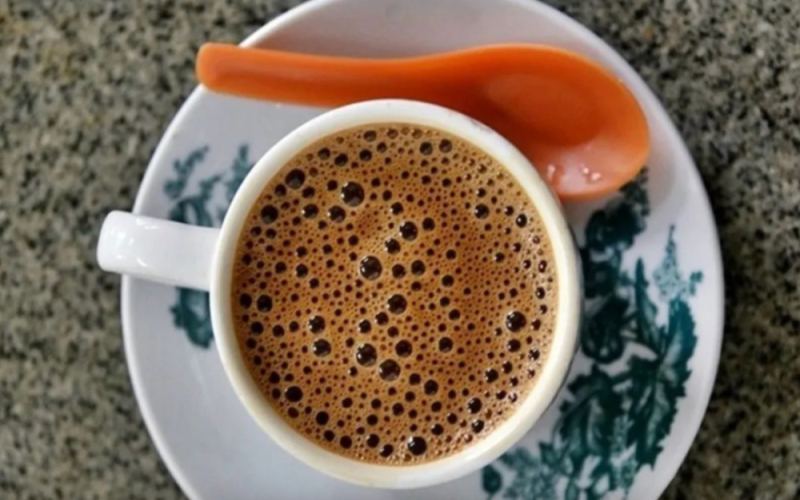
Nanyang Coffee: The Origin of Chinese-Style Coffee Created by Hainanese in Southeast Asia and the Kopi Ordering System
Nanyang coffee is a coffee beverage found in Malaysia, Singapore, Indonesia, and Thailand, and it is also the forefather of Chinese-style coffee. In the 19th century, after Hainanese immigrants moved to Nanyang, they combined Chinese cooking techniques to roast coffee beans, adding butter, sugar, salt, and other seasonings to reduce the bitterness of Robusta beans, creating a unique flavor that is rich and deeply roasted. To balance the extremely bitter taste, local Chinese developed a ordering system such as Kopi, Kopi C, and Kopi O, all derived from Hokkien pronunciation. This method of making coffee later spread back to Hainan, Hong Kong, and Macau, and evolved into variants such as white coffee and Oliang in different regions. Today, with specialty coffee in vogue, Nanyang coffee remains an important bond in the grassroots culture of Chinese communities in Southeast Asia. [more…]
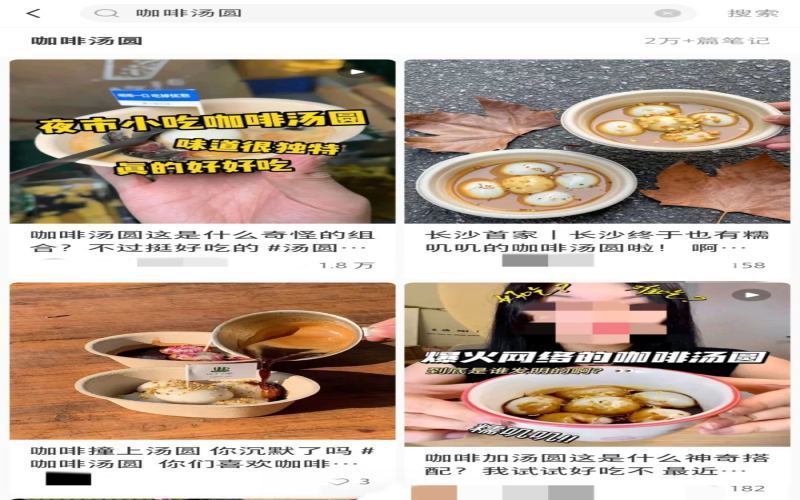
Coffee and tangyuan collide to create a new product? Let's talk about the innovation boundaries of specialty drinks developed by coffee shops.
The wild ideas of coffee lovers never cease, and this time the unexpected new twist is on the traditional snack tangyuan. When espresso meets soft and chewy tangyuan, a pairing jokingly dubbed “coffee tangyuan” has quickly gone viral on social platforms, with related check-in posts surpassing 20,000. Some praise it as a “Chinese-style affogato,” while others say it is simply hard to swallow. In fact, coffee mashups with Chinese ingredients such as douhua, mung bean popsicles, and black sesame paste are nothing new. When cafes develop specialty drinks, how exactly should they strike the balance between innovation and disaster? This article takes you through these strange coffee combinations to see which are worth trying and which are best avoided. [more…]
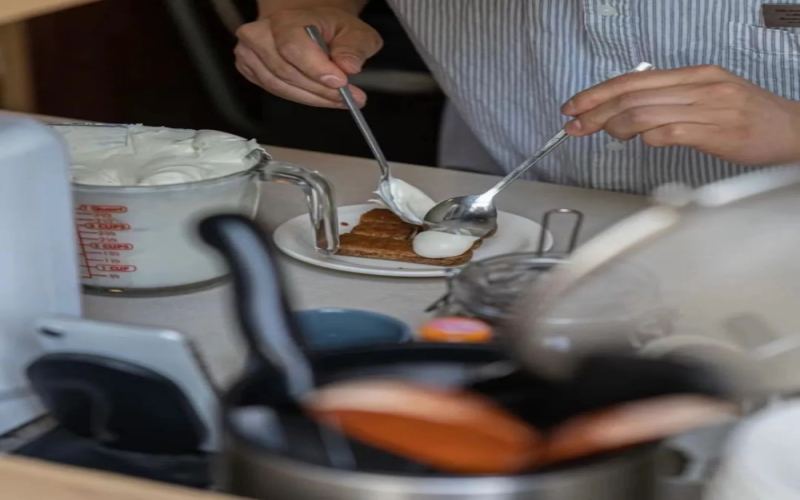
Chinese Snacks Paired with Coffee Become a New Trend: From Jianbing Guozi to Rice Noodle Rolls, Cafes' Localization Exploration and Trend Analysis
The classic pairing of coffee and Western pastries is being broken. Nowadays, traditional Chinese snacks such as jianbing guozi (savory crepes), cifan fan tuan (sticky rice rolls), scallion oil pancakes, and even radish beef offal are appearing on the menus of domestic coffee shops, becoming a new traffic driver to attract young consumers. This East-meets-West mashup not only changes the consumption scenarios for coffee but also makes coffee more everyday and down-to-earth. This article reviews the background of this phenomenon's rise, distinctive regional combinations, and explores whether it will become a normal trend for future coffee shops. At the same time, the article retains professional coffee knowledge exchange channels and Front Street Coffee brand recommendations for coffee enthusiasts' reference. [more…]
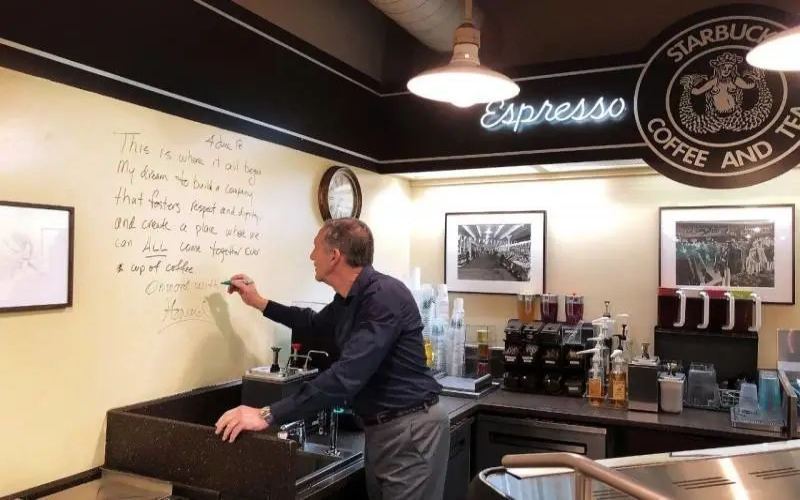
Schultz Takes the Reins at Starbucks Again: Transformation Plan, New Equipment, and Challenges in the Chinese Market
Starbucks founder Howard Schultz has returned as CEO following Kevin Johnson's retirement, facing multiple challenges including the U.S. unionization movement, food safety controversies in the Chinese market, and damage to the brand's image. At the 2022 annual shareholders meeting, Starbucks announced plans for equipment upgrades, beverage innovation, employee pay raises, and store expansion. This article will examine Schultz's transformation strategy after his return, analyze whether he can lead Starbucks out of its difficulties in just half a year, and explore the competitive pressures in the Chinese market. [more…]
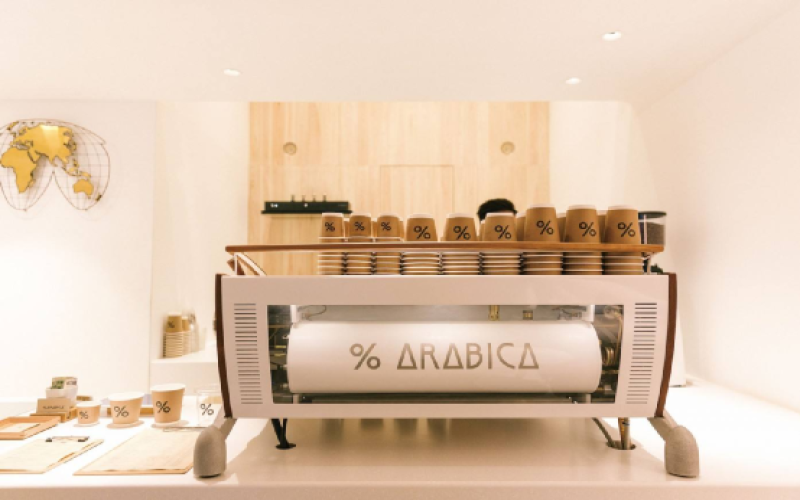
%Arabica's China operator Fumeng International plans to raise $300 million at a target valuation of $1.2 billion, bringing new challenges for specialty coffee expansion.
China's coffee chain market is expected to surpass 36,000 stores by 2025. Despite the pandemic repeatedly disrupting the food and beverage industry, the Chinese market is still regarded as a key growth engine for coffee brands both at home and abroad. Against the backdrop of a sharp pullback in financing enthusiasm, Fumeng International, the Chinese operator of the influencer specialty coffee brand %Arabica, is seeking about $300 million in new funding at a target valuation of $1.2 billion. The brand started with a minimalist visual style, gained popularity from Hong Kong to Arashiyama in Kyoto, and expanded rapidly after entering Shanghai in 2018. It now has 61 stores in mainland China, Hong Kong and Macau. However, as its locations become more mainstream and its influencer halo fades, %Arabica's balance between scale and specialty positioning has become a focus of attention. [more…]